Meet the tapir with a forest-sized job
An unusual nose, a useful appetite and a hopeful conservation story: a new Smithsonian feature explains why the lowland tapir matters far beyond its own patch of forest.
The forest gardener getting a helping hand in Paraguay
A new Smithsonian explainer follows the teamwork behind a national plan for lowland tapirs, the seed-spreading mammals helping forests grow.
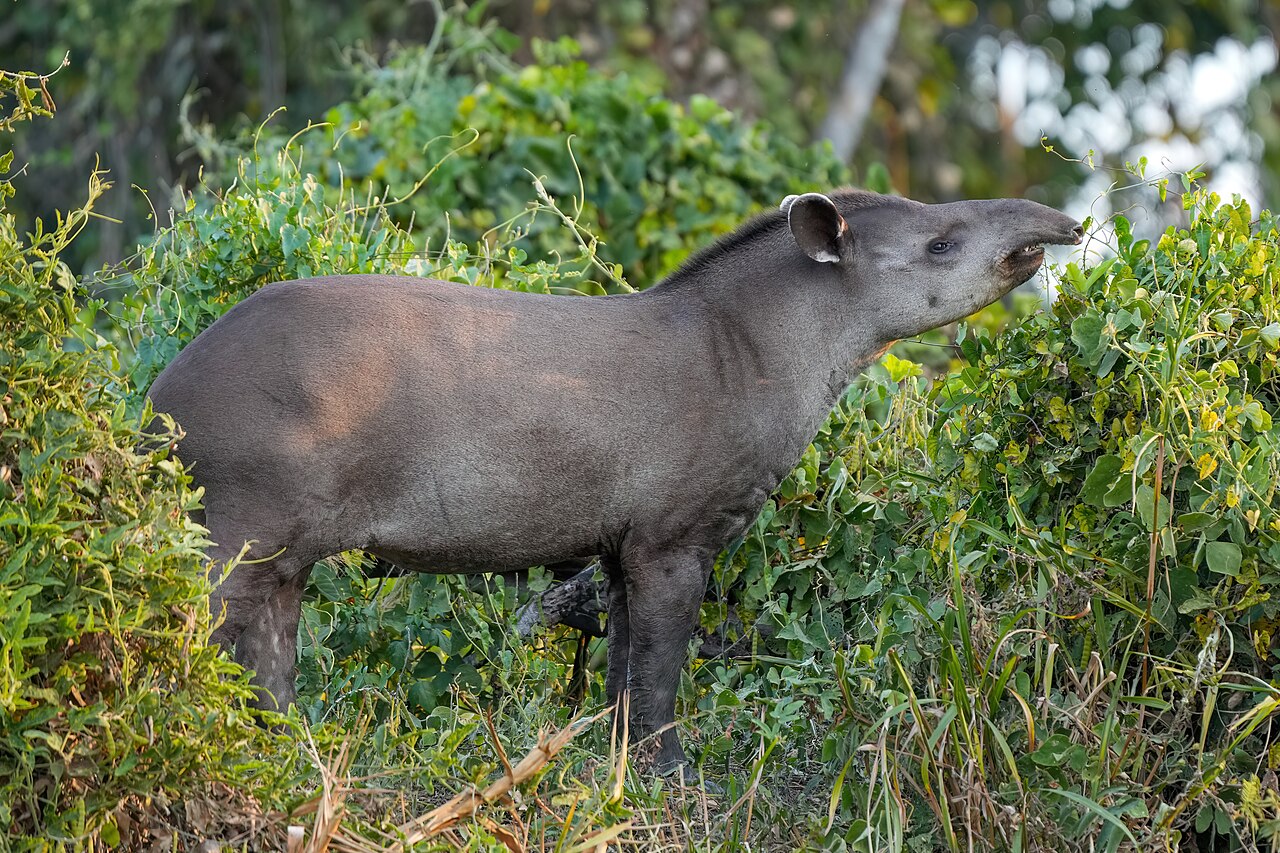
With its rounded ears and flexible snout, the lowland tapir already looks like a character ready for its close-up. Its everyday work is even more interesting: by spreading seeds, this large South American mammal helps shape the forest around it.
In a feature published on 13 October, Smithsonian scientists trace five years of collaboration behind a conservation plan in Paraguay. The fresh update explains work already under way; the dedicated planning workshop took place in February 2026, rather than this week.
Nearly 50 participants from 19 institutions helped turn that work into a shared plan. Its seven goals and 105 actions cover habitat, research and public awareness among other priorities. Protecting the tapir's home can also help the other species sharing it.
It is a hopeful reminder that an animal does not have to be the loudest or showiest to do something remarkable. Follow the Smithsonian feature for the full story and the people behind the plan. The photograph here shows a wild tapir in Brazil in 2024, rather than a participant in the Paraguay project.
Read the original report ↗Independent summaries. Original source dates are shown. Featured charities do not endorse this shop.
More gifts for dog lovers, cat lovers and families →