Small wild cats, big ideas for sharing the landscape
A Scottish conservation update, published on 15 October, connects Highland wildcats with Pallas's cats in Central Asia. This is a UK charity's look at ongoing international work, not a new animal arrival.
Royal Zoological Society of Scotland (RZSS) · Published 15 October 2026
Wildcat-safe chicken coops and a wider view of conservation
RZSS is highlighting how protecting wild cats means working with the people who share their habitats. Its examples range from Scottish farms to Central Asian grasslands.
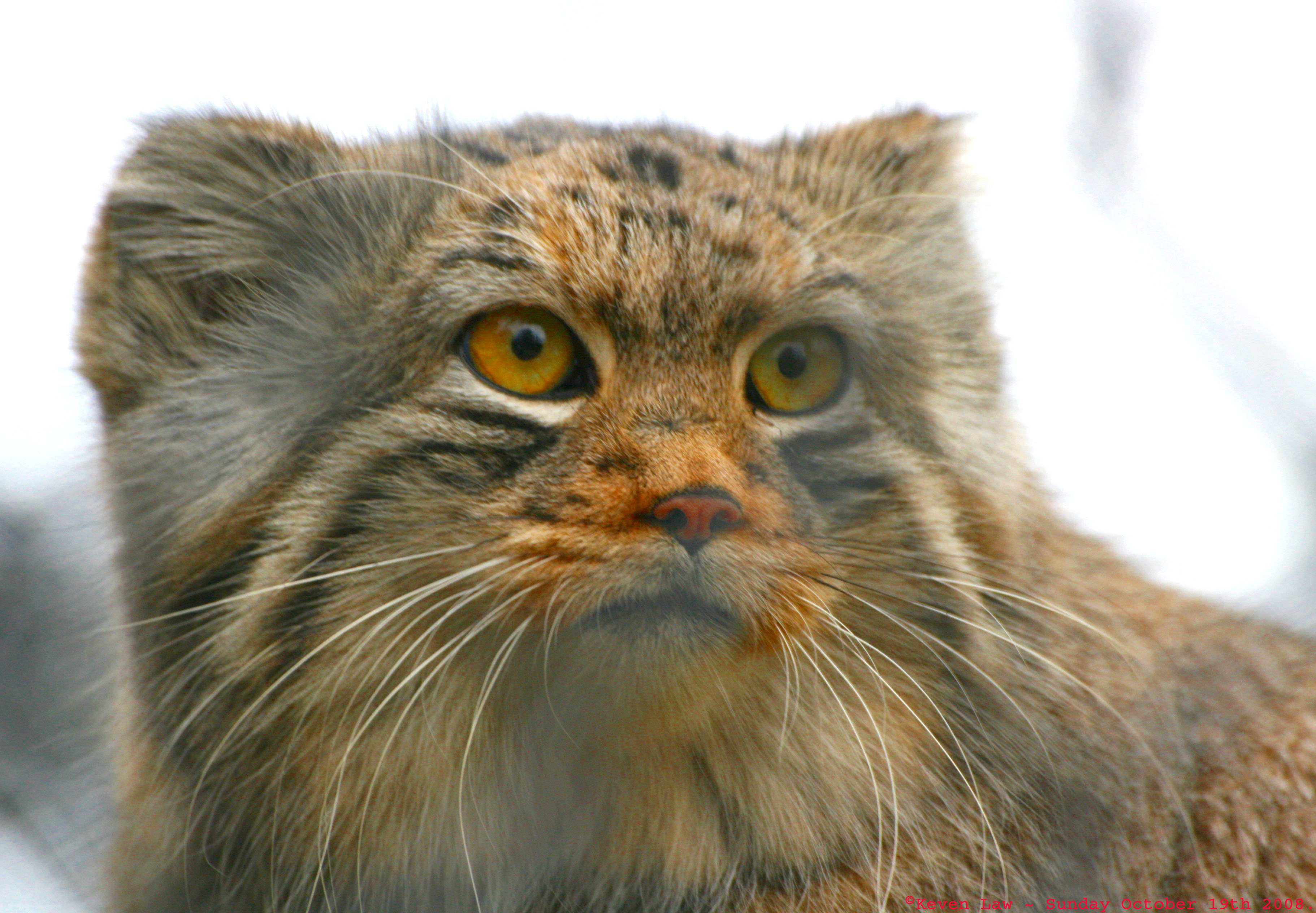
Pallas's cat at Howletts Wild Animal Park, Kent, photographed on 19 October 2008. Archive species illustration, not an RZSS field site or an October 2026 event. Original photograph unchanged, including its photographer credit. Photo: Keven Law / Wikimedia Commons · CC BY-SA 2.0
In its 15 October feature, the Royal Zoological Society of Scotland explains how animal conservation and everyday land use meet. Its focus is rangelands: landscapes of grasses, shrubs and sometimes trees used by wildlife and grazing animals.
In the Cairngorms, Saving Wildcats works with farmers, gamekeepers and landowners, including support for wildcat-safe chicken coops. In Central Asia, Pallas's cat projects study habitat use and involve local herders in conservation planning.
The theme is coexistence rather than keeping wildlife apart from people. RZSS describes local knowledge and community involvement as part of protecting these landscapes. These are wild cat species, not household pets.